http://time.com/5043166/storytelling-evolution/
People need stories, even though we live in a world of vast social media, and sharing of information online, in a way I guess it’s like each individual is creating their own story online for others to see. As we tend to believe what we initially see of someone, for example, a photo, we forget to think rationally about why the persons uploaded this photo, what are they trying to show? I think many young generations including my own, and I would also say I’m guilty of this at times fall under the category of narcissism. Because when you come to think about it properly, what drives a human being to post updates about their life online, or vlog daily, is it a need to know people care? Do you need the self-gratification? Even if you’re not feeling great in real life it’s all abit better because the life you present online is always amazing? These new forms of storytelling I would consider impure and unhealthy, compared to fables that had meanings and messages that are passed down through generations to help teach humans how to treat one another etc. These quick self-satisfying and fake stories are what I feel are slowly driving young people slowly crazy. Yes, social media can be fun, it’s quick (everything nowadays seems to be about speed) and it means you can achieve alot of ‘socialising’ in a smaller amount of time. It also means you can get lost in the world of the internet, where you get sucked into everyone elses ‘lives’ that you forget to live your own for you and not just your posts.
I find it intriguing that in todays lectures, professors and lecturers are having to warn students about the dangers of social media and how this can take away so much valuable time from study. And to think that this was never ever an issue for my parent’s generation is something I’m not sure I will ever understand.
Human ‘s regardless of where it comes from or how it comes to us love to seek out and be given new information, I think the issue is the quality of stories that are somehow replacing ones that should be given more attention is where peoples brains turn a bit mushy. For example on the website above is a fascinating study on how stories have improved communities, ‘Camps with a greater proportion of skilled storytellers, were associated with increased levels of cooperation’.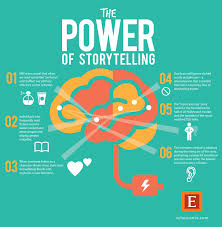

 CCH-Animation Degree