Ideas Day- The writers room
Creating and crafting your story
⦁ Short film that has a meaning/message
⦁ where are your ideas coming from?
⦁ Make your ideas well-rounded
⦁ Get in a creative head space
⦁ Recap bits and bobs of narrative theory
60 SECOND CHALLENGE
with Maddy Caulfield, Eddy King, Harry Botey, Harry Ashe
x2 CG Animators x2 Digital 2D Animators x1 Stop Motion Animator
⦁ ‘A Cage in search of a bird’ (Franz Kafka)
⦁ You have to simplify in a short film
⦁ A good short film:
⦁ Simple, economical, memorable
⦁ Ellipses: Leaving out what the audience can infer
⦁ character exists to play out a single moment
⦁ TIP: Start as close to the end as possible
⦁ The end is incredibly important, memorable
⦁ You don’t have to tie everything up in the ending
⦁ Open endings work well in short form stories.
⦁ Hermeneutic code- something unexplained that can only be answered through the story
⦁ When plotting the story ‘narrative works sideways’ (Jane Vandenburgh)
⦁ You have to start really open and really relaxed
⦁ ‘Do not try to think consciously. Drift,wait and obey’- Rudyard Kipling
⦁ Subconscious- Your creative self
Hypnotic game with Lynsey
What was inside my box? A large glass red heart, the rest was black and contained nothing else.
⦁ The ‘little bubble’ – ‘[when i write it’s in 3 dimensions- i imagine a character in a scene and it’s asif a little extends in front of me. The space of the scene is there.’
⦁ Animation write Jeffrey Scott- ‘If you can’t see your cartoon in your mind, chances are no one will see it when reading your script.’
⦁ Koch- ‘Everything in your imagination was first found somewhere else’.
⦁ The hippocampus- memory is such an important part of creativity.
⦁ The Latin verb ‘cogito’- to think
Answering as myself
⦁ I was born in Wales, in Cardiff city and more precisely Penarth Hospital.
⦁ The first bed I remember sleeping in was my small single person wooden bed covered in barbie stickers
⦁ I always wanted to be creative person
⦁ I used to enjoy getting into bed as a young child, switching on my fairy lights and getting into bed to watch a new animation on my T.V.
⦁ I’ll never forget memories with my family
⦁ I wish I had worked harder throughout my life
⦁ My favourite journey is travelling to Wales, especially going to the Valleys.
⦁ My voice is a lot higher pitched then I expected it to be
⦁ Yesterday I felt my brain was overloaded but in a good way.
YOU SHOULD BE ABLE TO ANSWER THE QUESTIONS AS YOUR CHARACTER
The Newcastle Personality Assessor. Rates a people against 5 factors:
⦁ Agreeableness
⦁ conscientiousness
⦁ openness
⦁ neuroticism
⦁ extroversion
Synecdoche: The part that stands for the whole
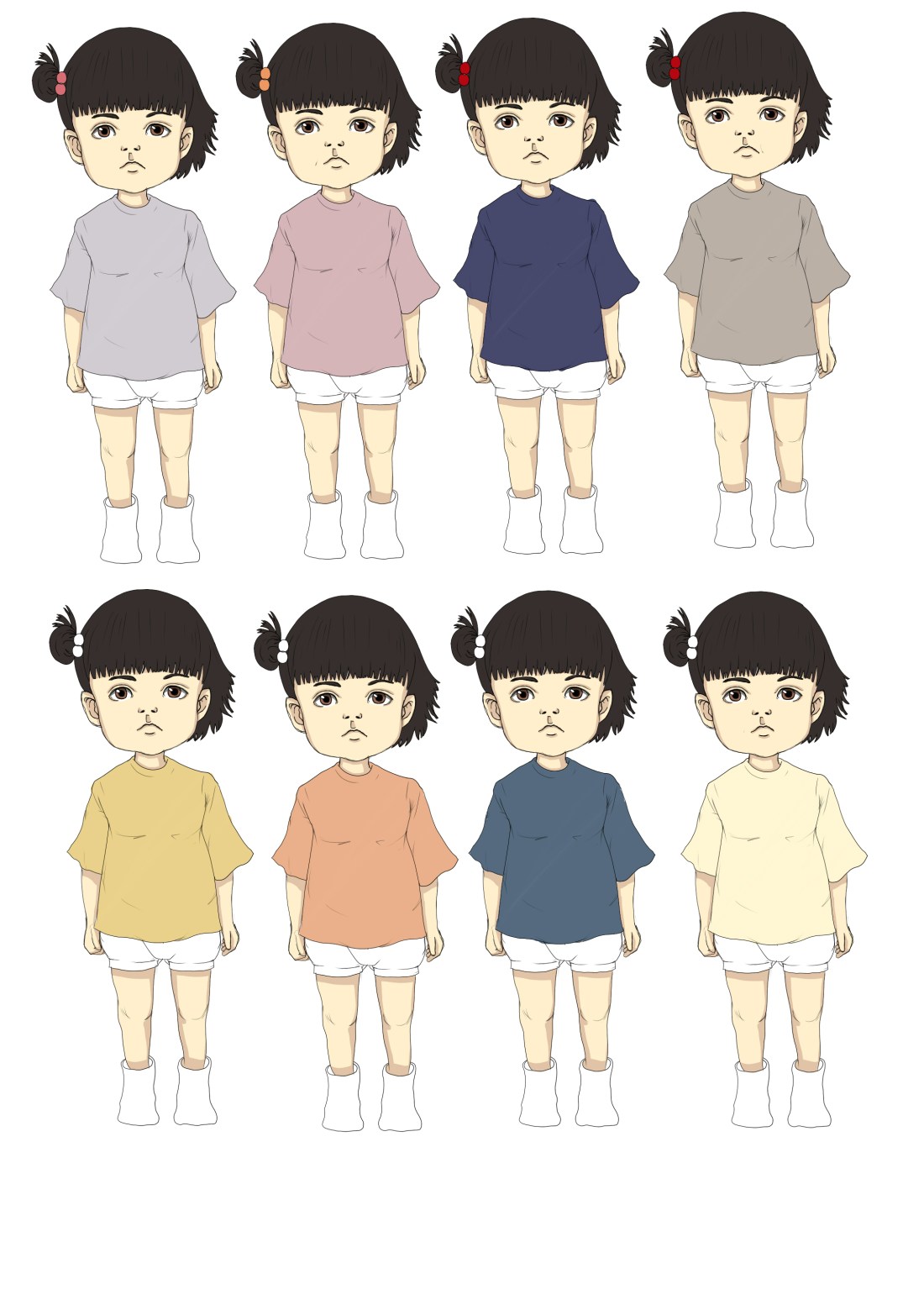
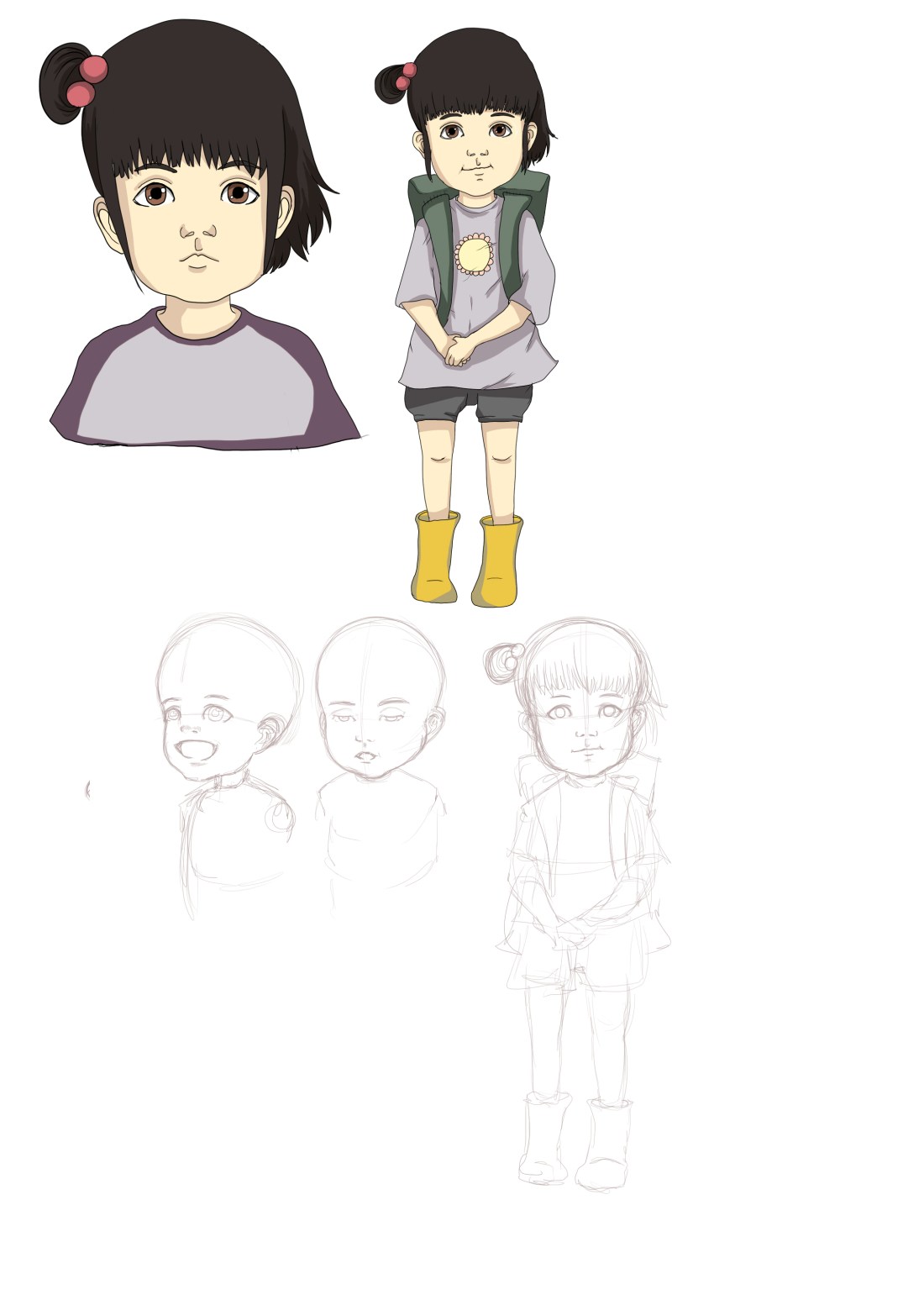
My Character ‘Selfie’
⦁ When my character walks through the door, she would potentially innocently stumble, fumble with her hands, smile and look around. Once she’s taken in her surroundings she will very quickly smile and confidently walk in.
⦁ If my character was to see a stray cat, she would run over, understanding quickly that this may frighten the cat, she would then approach softly, reaching out her hand in order to make contact.
⦁ My character is rather curious, always looking and attempting to understand a situation
⦁ Very confident, but can also be stubborn due to young age, for example: respects elders however if they do something which she sees as immoral she will likely cause a fuss.
⦁ For a young child who has to become independent rather quickly she stays positive.
Conventional story Structure
⦁ A modern fable: ‘Neighbours’ -LOVE YOUR NEIGHBOUR
⦁ Japanese storytelling tends to favour story causality above conflict (and character goals)
⦁ Kishotenketsu: This is a four part structure (especially common in Japanese horror)
Introduction- (ki)
Elaboration- (sho)
Twist- (Ten)
Conclusion
-The story of ‘The licked hand’
⦁ Japanese story structure and the idea of causality fits into the morality of my and not strongly based on a clear ‘moral story’.
 CCH-Animation Degree